
Industry Science Popularization
Good batteries determine the lifespan of your devices.
November 26 2025 Editor Becky Wu

Have you ever experienced those maddening moments: Your smartwatch, barely two years old, used to last a week on a single charge but now can’t even make it through a day? Your wireless mouse at home seems to need batteries replaced more and more often, like a bottomless pit? Sensors at the factory keep malfunctioning every other day, yet no major faults show up when you check?
Your electronic device shows half battery life one moment, then suddenly shuts down; it freezes or reboots when running large programs, and restarting doesn’t fix the issue; you store an electronic device in a cabinet for months, pull it out to use again, only to find it won’t charge.
At times like these, you might wonder, “How could this happen!” Don’t rush to blame the device—we need to look at a key component inside it: the battery. It might just be one reason why your devices are lasting shorter and shorter!
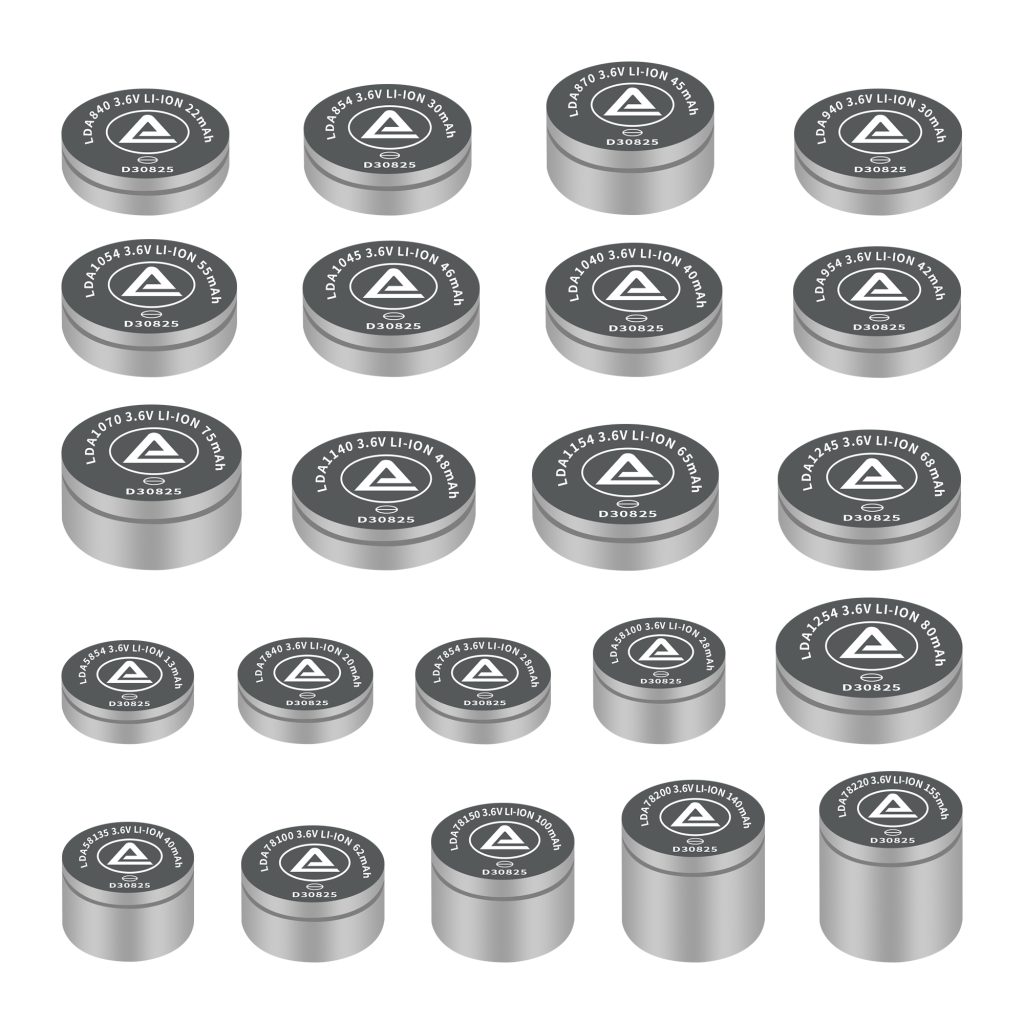
To extend the lifespan of electronic devices—such as smartphones, smartwatches, and other battery-powered smart gadgets—the key lies in selecting a reliable battery cell.
How can you determine if a battery is dependable? Consider the following points:
1、Cycle life :
The number of charge-discharge cycles a battery cell can undergo while maintaining its usable capacity above a specified percentage of its rated capacity. High-quality cells retain a high capacity retention rate even after hundreds of cycles.
2. Internal Resistance:
Internal resistance directly impacts voltage stability and efficiency during high-current discharge. Lower internal resistance indicates superior load capacity, ensuring stable device operation at peak power consumption and preventing performance degradation or unexpected shutdowns caused by voltage drops.
3. Sealing Performance:
The cell must possess excellent sealing properties to effectively prevent electrolyte leakage. For instance, laser welding sealing technology significantly enhances the structural integrity and airtightness of the casing, fundamentally eliminating the risk of electrolyte leakage causing short circuits and corrosion to internal circuitry.
4. Self-Discharge Rate:
This metric measures a cell’s ability to retain charge during periods of non-use. A low self-discharge rate indicates the cell can maintain its charge for extended periods while idle, preventing rapid self-discharge that would compromise its readiness for immediate use.

Selecting a high-performance battery offers numerous benefits for products, which can be broadly categorized as follows:
1. Enhanced Product Reliability and Stability
The core advantage of high-performance batteries lies in their exceptional electrochemical stability. This ensures minimal fluctuation in key parameters throughout specified charge-discharge cycles, delivering consistent and pure energy output to devices. This is critical for precision instruments, medical equipment, and industrial-grade sensors, effectively preventing data errors, system resets, or malfunctions caused by voltage drops or current fluctuations. It fundamentally safeguards business continuity and data accuracy.
2. Extended Equipment Lifespan and Reduced Costs
While the initial purchase cost of high-performance batteries may be slightly higher, their longer cycle life and lower capacity decay rate significantly extend both the battery’s lifespan and its effective service period within the equipment. For users, this translates to fewer battery replacements and maintenance interventions, saving not only direct material and labor costs but also reducing indirect production losses caused by downtime for maintenance. From a long-term perspective, their total cost of ownership is substantially lower than that of standard batteries requiring frequent replacement, making them a highly cost-effective investment.
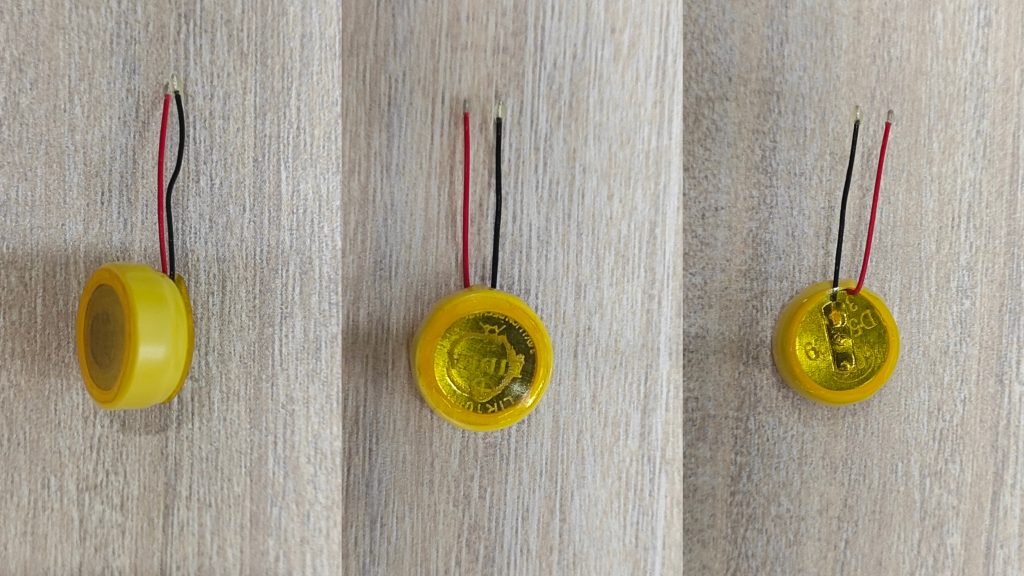
3. Laser Sealing for Enhanced Safety
Safety is the bottom line in battery selection. High-performance batteries establish multiple safety barriers through advanced separator materials, high-purity electrode raw materials, and top-tier sealing techniques like laser welding. Superior sealing completely eliminates electrolyte leakage risks, while stable chemical systems effectively suppress dendrite growth and internal short circuits. This significantly reduces thermal runaway probability under extreme conditions like overcharging, over-discharging, or high temperatures, providing critical safety assurance for devices and users.
4. Optimizing Device Design and User Experience
High-performance batteries typically offer higher energy density. This means that for the same capacity requirements, the battery can be made smaller and thinner; or within the same volume constraints, it can provide longer runtime for the device. This frees up more space for industrial design in end products, enabling sleeker, more compact, and stylish appearances, or allowing room for other functional modules.
Simultaneously, low internal resistance ensures devices maintain smooth operation under high loads, preventing lag or performance degradation caused by insufficient power supply. This directly enhances user experience through both extended battery life and consistent performance.
Thus, we understand that performance issues in electronic devices—particularly smartphones, Bluetooth earbuds, and hearing aids—may stem from battery-related factors. Selecting high-performance batteries represents a strategic decision. It transcends mere component choice, serving as a critical element in enhancing overall product competitiveness, shaping a brand’s reliable image, and ultimately earning market trust.