
Industry Science Popularization
Stay Safe with Electricity Happiness for Every Home
December 6 2025 Editor Becky Wu
Since the onset of autumn, many regions across the country have experienced dry weather, with fire hazard levels steadily rising. Recently, fires triggered by various causes have repeatedly sounded the alarm for us. Modern life is inseparable from electricity and batteries, yet they harbor numerous hidden safety hazards. A moment’s carelessness can lead to irreparable tragedy. Thoroughly understanding precautions for battery use and household electrical safety standards is an indispensable part of building a safety defense and protecting lives and property.
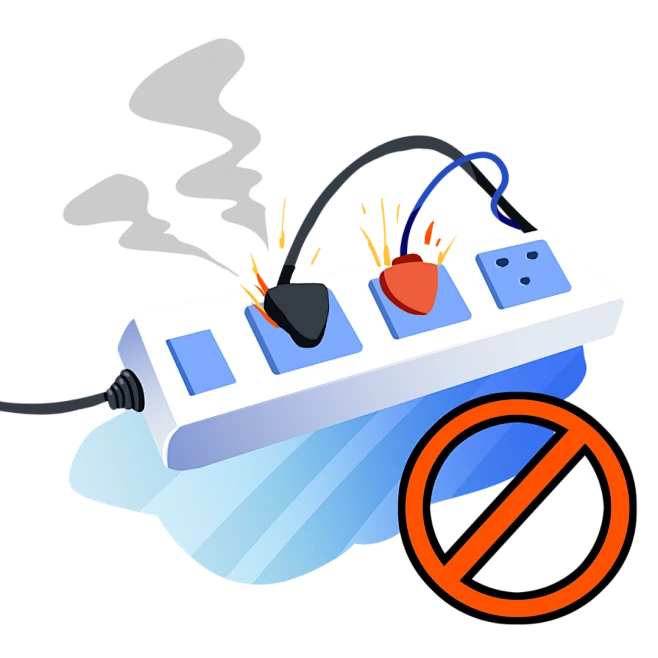
Proper Use: Preventing Potential Battery Risks
With the widespread adoption of electronic devices, various appliances have become integral to every aspect of daily life. Yet behind the advantages of high energy density and portability offered by batteries within these appliances lies a critical safety aspect that demands serious attention.
1、Selection and Storage
Always purchase batteries through authorized channels, selecting brands that meet national safety standards. Never use unlabeled, damaged, or swollen batteries. Store batteries in a cool, dry environment, away from direct sunlight or heat sources. Do not mix disposable batteries with rechargeable batteries, and keep them away from metal objects (such as keys or coins) to prevent short circuits. Keep batteries out of reach of children to eliminate all potential hazards.

2、Monitor special types and ensure timely recycling
Lithium-ion batteries require special attention due to their high energy density. Avoid fully discharging them before recharging, and refrain from using or charging them in high-temperature environments. If the device overheats abnormally, cease use immediately. All discarded batteries are classified as hazardous waste and must be delivered to designated recycling centers. Do not dispose of them carelessly to prevent environmental pollution or accidents.
3、Use and charging must strictly follow the procedures.
When installing batteries, ensure the positive and negative terminals are correctly oriented to prevent internal damage from forced installation. Never mix batteries of different models, brands, or conditions. For rechargeable batteries in devices such as mobile phones, laptops, and electric vehicles, use only the original or officially certified charger. It is best to supervise the charging process to avoid prolonged overcharging, especially overnight or when unattended. Electric vehicles must never be charged indoors—remember this! Unplug chargers promptly when not in use. Never expose any battery to fire, disassemble it, subject it to impact, puncture, or perform other hazardous operations.
Thorough Inspection: The Cornerstone of Household Electrical Safety
1、Line and distribution safety is fundamental.
It is recommended to install smoke detectors in key locations throughout the home to enable early detection of fires. Where feasible, equip your home with a small fire extinguisher and learn how to use it. All household members, including children and the elderly, should understand basic electrical safety knowledge and fire emergency evacuation procedures.
2、The use and management of electrical appliances reflect daily habits.
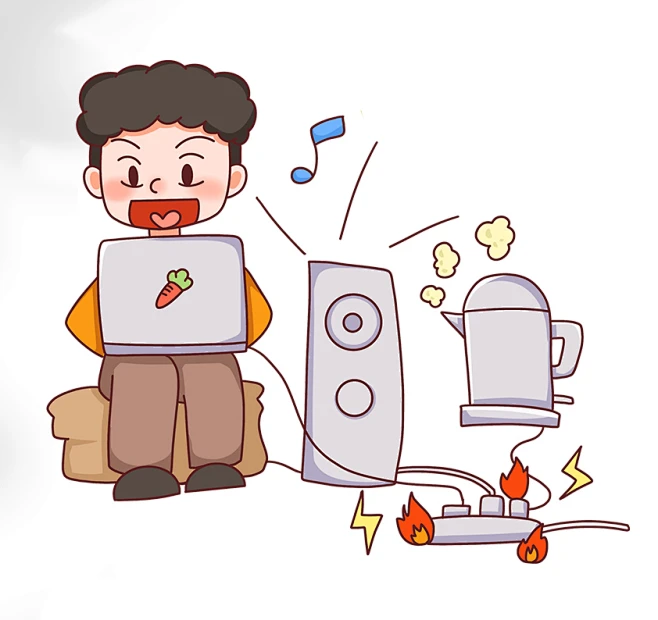
Regularly inspect electrical wiring in your home, especially older circuits, for signs of aging insulation, damage, or loose connections. Never make unauthorized electrical connections or route wires through concealed areas like under carpets or beside curtains. Ensure your electrical panel is equipped with compliant ground fault circuit interrupters (GFCIs) and overload protection devices, and verify their proper functioning. Avoid using “universal power strips” and never overload a single outlet by connecting too many appliances through adapters, as this can cause overheating.

Always follow the instruction manual when operating electrical appliances and turn off the power promptly after use. High-power appliances (such as air conditioners, electric heaters, and electric kettles) should be plugged into dedicated, fixed outlets. Keep electric heating devices away from flammable items like sofas, beds, and curtains, and ensure the power is turned off whenever you leave the area. Unplug appliances that will not be used for extended periods. Always disconnect the power before cleaning any electrical appliance.
3、Installing protective measures and cultivating awareness are the keys to long-term security.
It is recommended to install smoke detectors in key locations throughout the home to enable early detection of fires. Households with the means may also equip themselves with a small household fire extinguisher and learn how to use it. All family members, including children and the elderly, should understand basic electrical safety knowledge and fire emergency escape procedures.
Comprehensive Prevention: Building a Multi-Layered Firewall

Battery safety and electrical safety are not isolated concerns; together they form the core of a household fire prevention system. Cultivating fire safety awareness is crucial, and every family member should recognize that “hidden dangers are more perilous than open flames, and prevention is better than disaster relief.”
Develop the habit of conducting regular self-inspections of your home’s electrical wiring, outlets, frequently used appliances, and stored batteries. Communities and workplaces should also enhance safety awareness campaigns and emergency drills. If you notice abnormal heating, unusual odors, or sparks from an appliance or battery, immediately cease use, disconnect the power source, and have it inspected by a professional.
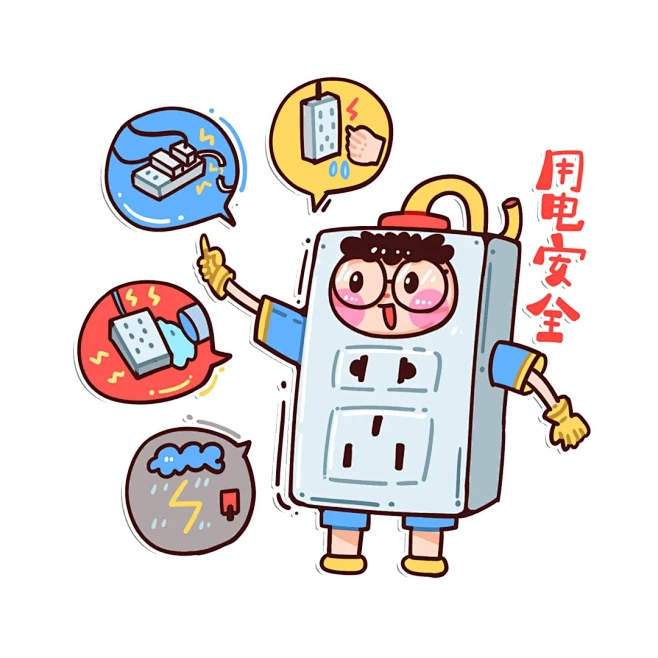
Dry weather acts as fuel for fires, while safety hazards remain unpredictable factors. Only by internalizing rigorous operational standards as daily habits and elevating attention to safety details to a reverence for life can we truly eliminate potential disaster risks.
From the proper use of a single battery, to the appropriate load on an outlet, to the regular inspection of an electrical circuit—it is precisely this accumulation of small acts of caution that builds the most solid and reliable barrier safeguarding the peace of our homes. Safety is no trivial matter; only by preventing problems before they start can we achieve lasting peace.